
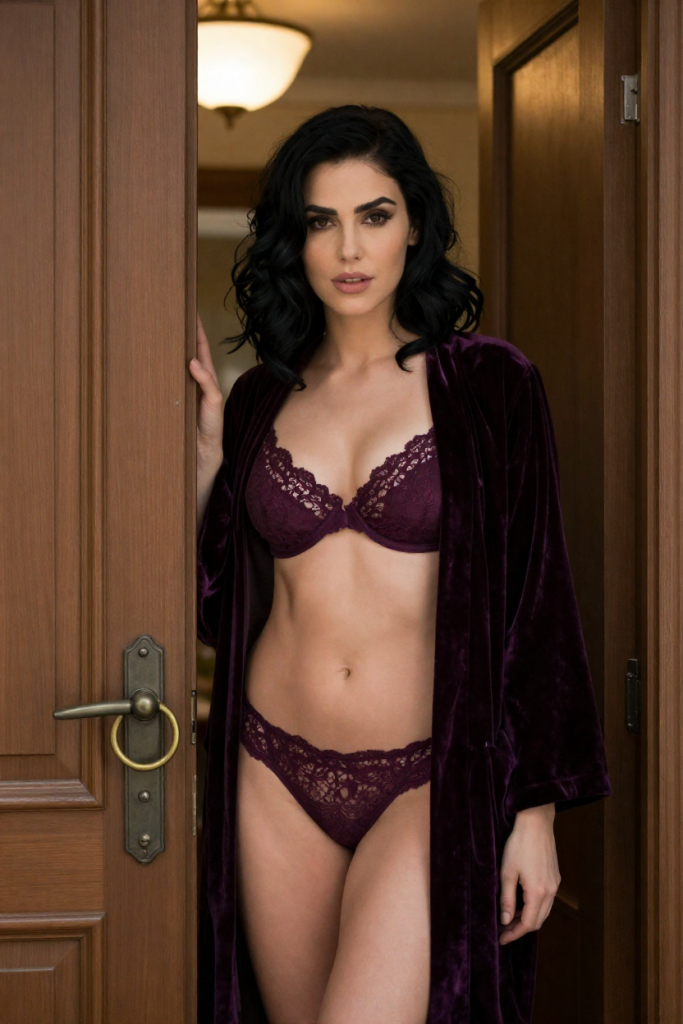
Watch a failed AI clip closely and you can usually read the brief that caused it: she turns, smiles, steps forward and tosses her hair, and the model — asked for four performances — delivers a quarter of each, smeared together. Motion direction has one governing rule, and everything else is commentary: one verb per clip.
The anatomy of a motion brief
The verb. Turns, glances, rises, steps, reaches. Pick the one the clip exists for. The manner. Slowly is the most valuable adverb in video work; add “slight” or “unhurried” and the face survives the movement. The camera. “Camera still” unless the shot truly needs a drift — a moving camera on a moving subject doubles every tracking problem. What stays. Name the stillness too: “background steady, dress settling naturally”. The model fills silence with invention; give it instructions for the quiet parts.
Choose stills that can move
Motion is an audit of the source frame. Hands near the face, hair across an eye, jewellery against patterned fabric — the still forgave all of it and the clip will not. Frontal and three-quarter poses, uncluttered backgrounds and crisp garment edges are the stills that animate like professionals. If a frame needs an apology, it needs a re-render, not a video job.
Test short, extend keepers
Price follows duration and resolution, so the short test is also the honest test. Prove the movement at the shortest length, watch the face through its fastest moment and the background at the edges, and extend only what holds. Studios that direct this way spend their video budgets on keepers; studios that open with the long take spend theirs on tuition.